In ancient civilizations, goddesses were often seen as the primary sources of life, worshipped as the bringers of fertility and abundance. They were believed to have the power to bless crops, ensure successful harvests, and promote the well-being of communities. The image of the nurturing mother permeated societies, highlighting the vital connections between the physical and spiritual realms.
The symbolic representations of the Goddess vary across cultures, reflecting the diverse beliefs and perspectives of different societies. For example, in ancient Greek mythology, the Goddesses embodied various aspects of life and nature. Aphrodite was celebrated as the goddess of love and beauty, Artemis represented the wild and untamed aspects of femininity, and Demeter personified the power of agriculture and fertility. These goddesses were revered for their unique qualities and were seen as both powerful and compassionate.

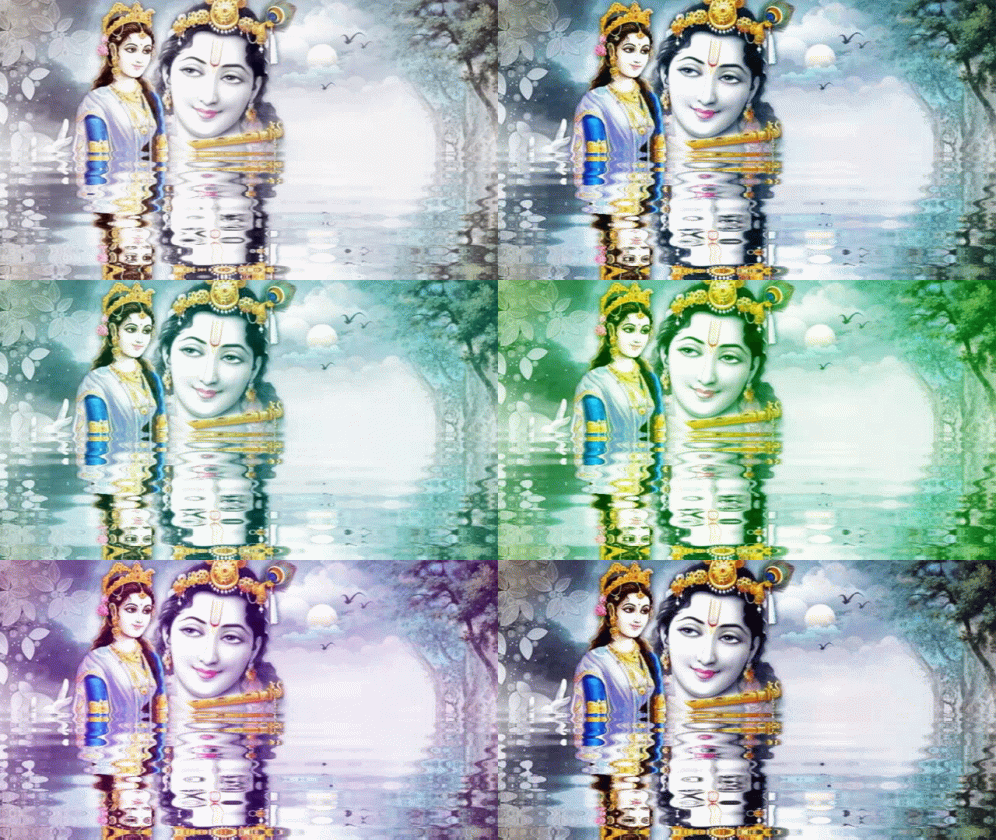
Similarly, in Hinduism, the concept of the Divine Mother is central to spiritual devotion. The Goddess Durga, also known as Shakti or Devi, is worshipped as the supreme divine feminine power. She is considered the embodiment of strength, protection, and cosmic energy. In Hindu mythology, she is depicted as a warrior goddess who fiercely defends righteousness and destroys evil. The devotion to the Goddess in Hinduism reflects the belief in the transformative power of the feminine energy.
Across ancient African cultures, goddesses were associated with the land, nature, and the cycles of life. In many African spiritual traditions, the divine mother figure is revered as the source of life and creation. The Yoruba culture in West Africa, for example, celebrates the Orishas, powerful deities who embody different aspects of human experience. Yemaya, the goddess of the sea and motherhood, is revered as the nurturing force that birthed all life. In honoring Yemaya, devotees acknowledge the profound connection between humans and the natural world.
In modern times, the reclamation of the divine feminine has become a profound movement. As societies strive for gender equality and a deeper understanding of the interconnectedness of all beings, there is a growing recognition of the need to honor and elevate the feminine energy within us all. It goes beyond the binary notions of gender and acknowledges the spectrum of human experiences that are encompassed within the concept of the divine feminine.
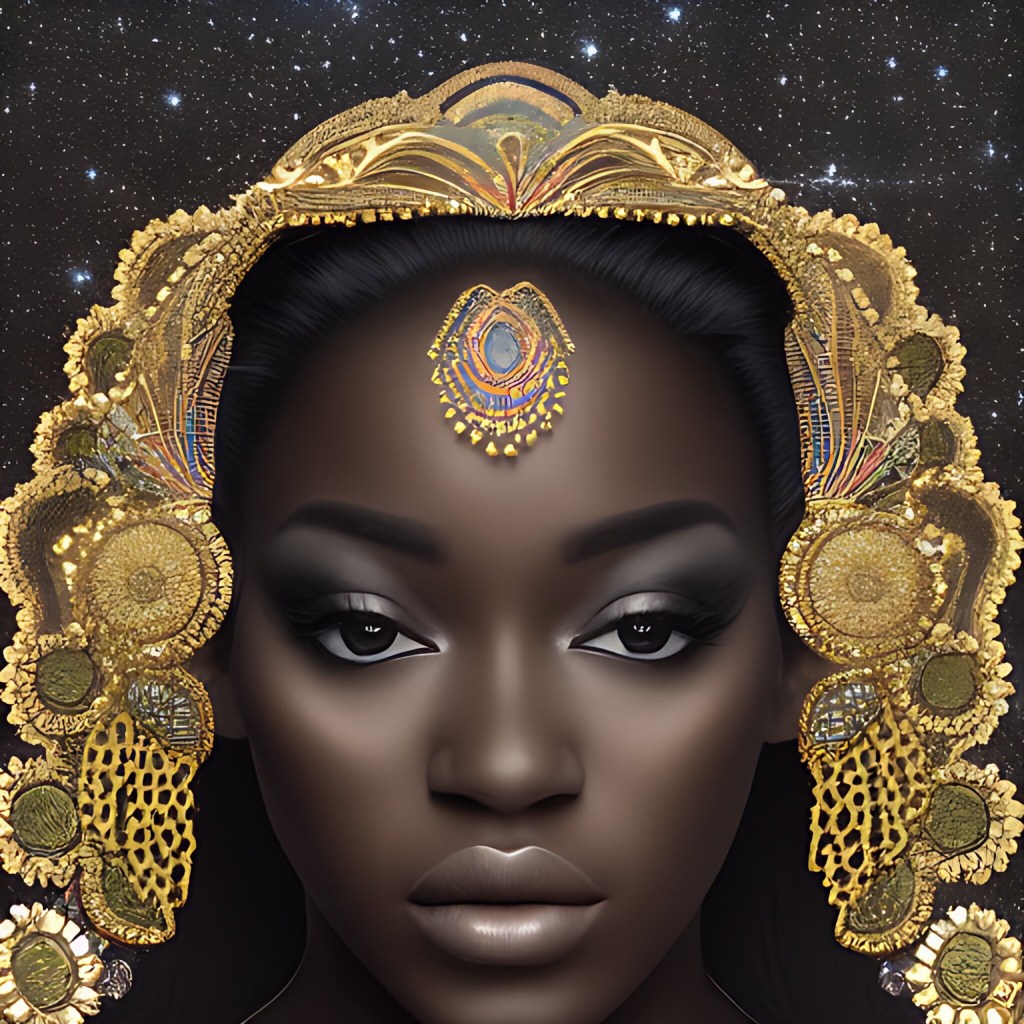
The sacred feminine represents a creative force that exists within everyone, regardless of gender. It embodies qualities such as intuition, compassion, creativity, and nurturing love. By acknowledging and embracing the divine feminine within ourselves and in the world around us, we can tap into a wellspring of wisdom and transformation.
In conclusion, whether we refer to the divine feminine as the Goddess, Creatrix, or Divine Mother, these concepts serve to remind us of the profound power and beauty of femininity. The sacred feminine is an eternal flame, guiding us towards connection, growth, and the realization of our highest potential. It is a reminder that within each of us lies the capacity to create, nurture, and bring forth new life in its many forms.

 Living In Divine Flow
Leave a comment